
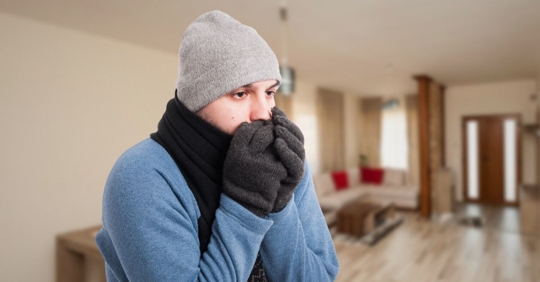
When the temperature drops in Ramona, Lakeside, and throughout San Diego County, the last thing you want is a heating system that stops working. Your heater works hard to keep your family comfortable during those chilly evenings and cooler winter months, but like any mechanical system, it can develop problems over time. Recognizing the warning signs early can save you from an unexpected breakdown, costly emergency repairs, and uncomfortable nights without heat.
Don't wait until your heater quits completely. If you notice any warning signs, call 4 Seasons Heating & Air at (858) 683-6909 or fill out our online contact form today.
Strange Noises Coming From Your Heating System
Your heater should run relatively quietly in the background. If you're hearing unusual sounds, your system is trying to tell you something's wrong. Different noises often point to specific problems that need attention.
Banging or clanging sounds typically indicate loose or broken components inside the unit. Squealing or screeching noises often mean a belt is wearing out or a motor bearing needs lubrication. Rattling can signal loose panels, ductwork issues, or debris in the system. Clicking sounds beyond the normal startup click might point to an electrical problem or failing ignition system.
Pay attention to these sounds and note when they occur. A heating technician can diagnose the issue more quickly when you can describe what you're hearing and when it happens. Ignoring strange noises won't make them go away—it usually leads to more extensive damage and higher repair costs down the road.
Your Energy Bills Keep Climbing
One of the most telling signs that your heater needs attention is a sudden spike in your utility bills. When your heating system isn't working efficiently, it has to run longer and work harder to reach your desired temperature, consuming more energy in the process.
Compare your current heating season bills to the same time last year. A noticeable increase without a corresponding change in your usage patterns or rates suggests your heater is struggling. This inefficiency often stems from dirty filters, worn components, or systems that haven't received regular maintenance.
While some increase in winter bills is normal when you're running your heater regularly, a dramatic jump deserves investigation. The money you spend on timely repairs often pays for itself through lower energy costs and preventing a complete system failure.
Weak or Inconsistent Airflow Throughout Your Home
When you turn on your heater, you should feel strong, steady airflow from your vents. Weak airflow means your system can't effectively distribute warm air throughout your home, leaving some rooms cold while others are comfortable. Several issues can cause poor airflow:
- Clogged or dirty air filters restricting air movement
- Problems with the blower motor or fan
- Blocked or leaking ductwork preventing air from reaching certain areas
- Closed or blocked vents in individual rooms
- Thermostat issues causing the system to cycle incorrectly
Start by checking your air filter and replacing it if it's dirty. If that doesn't solve the problem, you'll need a professional to inspect your system. Poor airflow not only affects your comfort but also forces your heater to run longer, increasing wear on components and your energy costs.
Don't assume weak airflow is just a minor annoyance. It often indicates problems that will worsen over time and potentially lead to system failure during the coldest weather.
The Pilot Light or Burner Flame Looks Wrong
If you have a gas heater, the pilot light and burner flames provide important clues about your system's health. A healthy flame should be mostly blue with perhaps a small yellow tip. If you notice changes in the flame color or behavior, it's time to call for professional help.
A yellow or orange flame instead of blue can indicate incomplete combustion, which may produce dangerous carbon monoxide. Flickering flames or a pilot light that frequently goes out suggest problems with the thermocouple, gas valve, or air supply. A weak flame that's barely visible often means the gas pressure is too low or there's a blockage.
Never ignore problems with your pilot light or burner flames. These issues can impact both your safety and comfort. If you smell gas or suspect a carbon monoxide problem, leave your home immediately and call for emergency heating repair help right away.
Your Heater Cycles On and Off Too Frequently
Short cycling—when your heater turns on and off repeatedly in short bursts—puts excessive wear on your system and prevents your home from reaching a comfortable temperature. This problem wastes energy and shortens your heater's lifespan significantly.
Several factors can cause short cycling. A thermostat that's malfunctioning or poorly located may give your heater incorrect signals about your home's temperature. An oversized heating system for your home will heat the space too quickly, then shut off before completing a proper cycle. Restricted airflow from dirty filters or blocked vents can cause the heat exchanger to overheat, triggering safety shutoffs.
A properly functioning heater should run in complete cycles that last at least several minutes. If your system is constantly starting and stopping, have it checked soon. Short cycling doesn't just cost you money—it dramatically increases the chance of a major breakdown.
Cold Spots or Uneven Heating in Different Rooms
When some rooms in your home feel comfortable while others stay cold, your heating system isn't distributing air properly. This inconsistency makes it hard to keep everyone comfortable and often leads to family disagreements about thermostat settings.
Uneven heating can result from several issues. Ductwork problems like leaks, poor insulation, or disconnected sections prevent warm air from reaching certain areas. A heater that's not powerful enough for your home's size will struggle to heat all rooms evenly. Closed vents, furniture blocking registers, or inadequate return air vents in specific rooms can create temperature differences.
Sometimes the problem isn't with your heater itself but with how your heating system is designed or balanced. A qualified technician can assess your entire system to identify why some areas aren't getting enough heat. Addressing these issues improves comfort and efficiency throughout your home.
Your Heater Smells Unusual When Running
Different smells from your heating system signal different problems, and you should never ignore them. While a slight dusty smell when you first turn on your heater for the season is normal, persistent or strong odors require immediate attention.
A burning smell that doesn't go away after the first few minutes of operation might indicate electrical problems, overheating components, or objects trapped in your system. A musty or moldy odor suggests moisture problems or biological growth in your ductwork. A sulfur or rotten egg smell with a gas heater is a serious safety issue requiring immediate action—this could indicate a gas leak.
If you smell anything unusual, turn off your heater and call for professional help. Some odors indicate serious safety hazards, while others point to problems that will worsen if left unaddressed. Trust your nose when it tells you something's not right.
The Thermostat Isn't Responding Properly
Your thermostat is the brain of your heating system, controlling when your heater runs and how much heat it produces. When your thermostat malfunctions, even a perfectly good heater can't keep your home comfortable.
Signs of thermostat problems include incorrect temperature readings, the heater not turning on when it should, the system running constantly without shutting off, or the display not working properly. Sometimes the issue is as simple as dead batteries, but often it indicates a more serious problem with the thermostat itself or its wiring.
Before calling for service, try replacing the batteries and making sure nothing is blocking the thermostat. If problems persist, you'll need professional diagnosis. Sometimes a thermostat replacement is more cost-effective than repairing an older model, especially if you upgrade to a programmable or smart thermostat that can improve your energy efficiency.
Your Heater's Age Is Showing
Heating systems don't last forever. Most furnaces and heaters have a lifespan of 15 to 20 years with proper maintenance. As your system ages, it becomes less efficient and more prone to breakdowns, even with regular care.
If your heater is approaching or past the 15-year mark, you should pay extra attention to any signs of trouble. Older systems often need increasingly frequent repairs, and replacement parts may become harder to find. At some point, investing in repairs no longer makes financial sense compared to replacing the system.
Consider both the age of your system and the frequency of repairs when deciding whether to fix or replace. A newer heater with a single issue might need a simple repair, while an older system requiring multiple repairs might be telling you it's time for a replacement. A qualified technician can help you make this decision based on your specific situation.
You Haven't Had Maintenance in Over a Year
Regular maintenance is the best way to prevent unexpected breakdowns and extend your heater's life. If you can't remember the last time a technician serviced your system, it's overdue for attention. During a maintenance visit, a technician will:
- Inspect all components for wear and potential problems
- Clean burners, heat exchangers, and other critical parts
- Check and adjust gas pressure and electrical connections
- Test safety controls and carbon monoxide levels
- Replace or clean filters
- Lubricate moving parts to reduce friction
Annual maintenance helps catch small problems before they become major repairs. It also keeps your system running efficiently, which saves money on energy costs. Many heating problems that seem sudden actually develop gradually over time—regular maintenance catches these issues early.
Scheduling maintenance each fall before the heating season begins is ideal. This timing ensures your system is ready when you need it most and helps you avoid the rush during peak heating season.
Trust Your Instincts About Your Heating System
You know your home better than anyone else. If something feels off about your heater—even if you can't pinpoint exactly what's wrong—it's worth having a professional take a look. Small problems caught early through heater repair are always easier and less expensive to fix than major breakdowns.
Your heater is a significant investment in your home's comfort and your family's wellbeing. Taking action at the first signs of trouble protects that investment and keeps your home warm when you need it most. Don't wait until a chilly night leaves you without heat to address problems with your heating system.
Get Your Heater Checked Before It's Too Late
The warning signs your heater needs repair are there if you know what to look for. Strange noises, rising energy bills, poor airflow, odd smells, and inconsistent heating all indicate your system needs professional attention. Whether you're dealing with an older system showing its age or a newer one behaving strangely, addressing problems promptly prevents uncomfortable situations and costly emergency repairs.
4 Seasons Heating & Air serves homeowners throughout Ramona, Lakeside, San Diego, and surrounding areas with expert heating repair services. Our experienced technicians can diagnose and fix heater problems quickly, helping you avoid a complete system failure.
Don't wait until your heater quits on the coldest night of the year. Call us at (858) 683-6909 or contact us online to schedule your heater inspection or repair today.